

What Makes a
Biocompatibility Testing
Partner Truly Reliable
in 2026?
As ISO 10993 standards evolve and regulatory expectations grow, manufacturers need more than a laboratory — they need a scientific partner built for reliability, compliance and long-term success.
As medical devices become more advanced and regulatory expectations continue to evolve, biocompatibility testing has become one of the most critical components of product safety evaluation. In 2026, manufacturers are no longer looking for testing laboratories that simply generate reports — they need scientific partners capable of delivering reliable data, regulatory confidence and long-term compliance support.
A reliable biocompatibility testing partner plays a vital role in helping manufacturers reduce approval risks, avoid regulatory delays and ensure patient safety. However, with increasing complexity in global regulations and evolving ISO 10993 standards, choosing the right laboratory has become more important than ever.
At Accuprec Research Labs Pvt. Ltd., we help medical device manufacturers navigate modern biocompatibility requirements through scientifically robust testing, regulatory-focused strategies and audit-ready documentation.
Why Biocompatibility Testing Matters More Than Ever
Biocompatibility testing evaluates how a medical device interacts with the human body. Regulatory agencies require manufacturers to demonstrate that devices are safe for their intended clinical use and do not cause harmful biological responses.
Modern medical devices contain increasingly complex materials, coatings, polymers and drug-device combinations. As a result, regulators now expect more detailed scientific evidence to support biological safety.
Biocompatibility studies help assess:
- Cytotoxicity risks
- Sensitization potential
- Irritation and reactivity
- Systemic toxicity
- Genotoxicity concerns
- Implantation effects
- Material safety profiles
Without proper biological evaluation, manufacturers face significant regulatory and commercialization risks.
What Makes a Testing Partner Truly Reliable?
In 2026, reliability in biocompatibility testing goes beyond basic laboratory capability. Manufacturers need partners who combine scientific expertise with regulatory understanding and operational consistency. Reliability also means the ability to guide manufacturers through complex regulatory expectations while minimizing approval risks.
Regulatory Compliance
Regulatory-compliant study execution aligned with ISO 10993, FDA and EU MDR expectations.
Scientific Validation
Scientifically validated methodologies delivering reproducible and accurate data every time.
GLP-Compliant Operations
Good Laboratory Practice systems ensuring consistent quality across all study executions.
Experienced Scientific Teams
Specialists with deep expertise in biological evaluation, toxicology and regulatory requirements.
Timely Execution
Committed project timelines with proactive communication at every stage of the study.
Audit-Ready Documentation
Comprehensive, well-structured records ready for regulatory inspections and submissions.
Common Problems Manufacturers Face
Many companies experience delays because their testing partner lacks sufficient scientific or regulatory expertise. Common challenges include:
- Incomplete biological evaluation plans
- Poor study reproducibility
- Delayed project timelines
- Weak risk assessments
- Non-compliant documentation
- Inadequate communication during studies
- Regulatory deficiencies during submissions
In some cases, companies are forced to repeat expensive studies because the original data failed to meet regulatory expectations. This not only increases costs but also delays product commercialization.
The Importance of Scientific Expertise
Biocompatibility testing is not simply a checklist activity. Every medical device requires a scientifically justified testing strategy based on:
- Device material composition
- Nature of body contact
- Duration of exposure
- Manufacturing processes
- Sterilization methods
- Clinical application
At Accuprec, our scientific teams work closely with manufacturers to develop customized biological evaluation strategies aligned with ISO 10993 requirements and global regulatory expectations. This scientific approach helps reduce unnecessary testing while ensuring comprehensive safety evaluation.
Advanced Infrastructure & Compliance
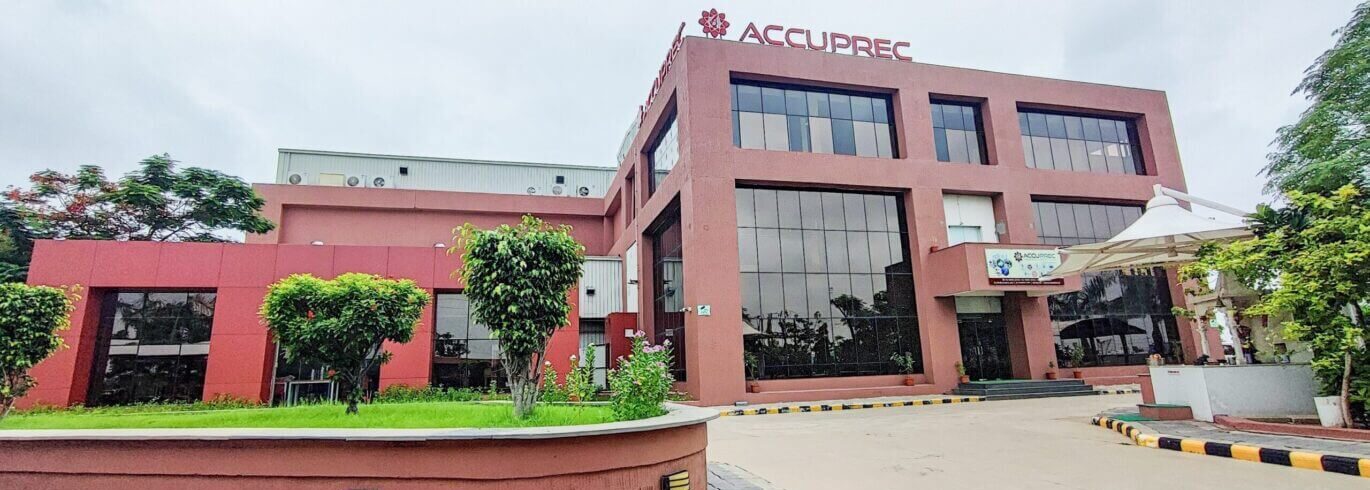
Reliable testing also depends heavily on laboratory infrastructure and operational quality systems. At Accuprec, our GLP-compliant systems, controlled laboratory environments and quality-focused operations ensure consistent and reproducible data generation. We also maintain strict documentation and audit-readiness standards to support regulatory inspections and client confidence.
Our facilities are designed to support:
Cytotoxicity Studies
In-vitro evaluation of cell viability and tissue toxicity potential per ISO 10993-5 and USP <87>.
Sensitization Testing
Assessment of allergic reaction potential using GPMT, Buehler, DPRA, KeratinoSens and h-CLAT methods.
Irritation Studies
Skin, mucosal and intracutaneous irritation evaluation per ISO 10993-23.
Acute & Subacute Toxicity
Systemic toxicity evaluations for short-term and repeated exposure scenarios per ISO 10993-11.
Genotoxicity Assessments
DNA damage and mutagenicity evaluation using Ames test, MLA and chromosomal aberration assays.
Implantation Studies
Local tissue response evaluation for implantable devices per ISO 10993-6.
Regulatory Support Beyond Testing
Modern regulatory submissions require more than raw study data. Manufacturers increasingly need scientific interpretation, risk-based evaluation and submission support.
Our team helps clients generate:
Biological Evaluation Reports
Comprehensive BEP and BER documentation aligned with ISO 10993-1 and regulatory expectations.
Toxicological Risk Assessments
Scientific TRA reports evaluating patient exposure levels and safety margins per ISO 10993-17.
Gap Assessments
Identification of missing data or testing gaps prior to regulatory submission.
Regulatory Submission Support
End-to-end documentation support for FDA, EU MDR and global regulatory submissions.
This integrated approach helps reduce review timelines and improve regulator confidence.
Why Choose Accuprec?
At Accuprec Research Labs Pvt. Ltd., we combine scientific expertise, advanced infrastructure and regulatory understanding to support medical device manufacturers globally. We focus not only on testing accuracy but also on helping clients achieve smoother regulatory approvals and faster market access.
- Comprehensive biocompatibility testing capabilities
- GLP-compliant operations
- Experienced scientific professionals
- Regulatory-focused study execution
- Reliable and reproducible data generation
- Timely project completion
- End-to-end scientific support
A Scientific Partner, Not Just a Laboratory
In 2026, a reliable biocompatibility testing partner is not just a laboratory — it is a strategic scientific partner that supports safety, compliance and regulatory success. Manufacturers need partners capable of delivering accurate data, strong scientific guidance and globally aligned compliance support.
With advanced infrastructure, experienced scientific teams and a commitment to regulatory excellence, Accuprec Research Labs Pvt. Ltd. helps companies confidently navigate modern biocompatibility requirements.