Stability and Transportation Testing for Medical Devices
Medical devices must remain safe, effective and reliable throughout their entire shelf life and during transportation. Whether the device is stored for months or shipped across cities, countries or continents, it must maintain its quality without degradation or damage. This is where stability testing and transportation testing play a crucial role.
Regulatory bodies such as EU MDR, USFDA and CDSCO require manufacturers to validate that their devices can withstand environmental conditions, handling pressures and long-distance shipping without losing performance. Stability failures are one of the leading causes of product recalls, customer complaints and regulatory rejection.
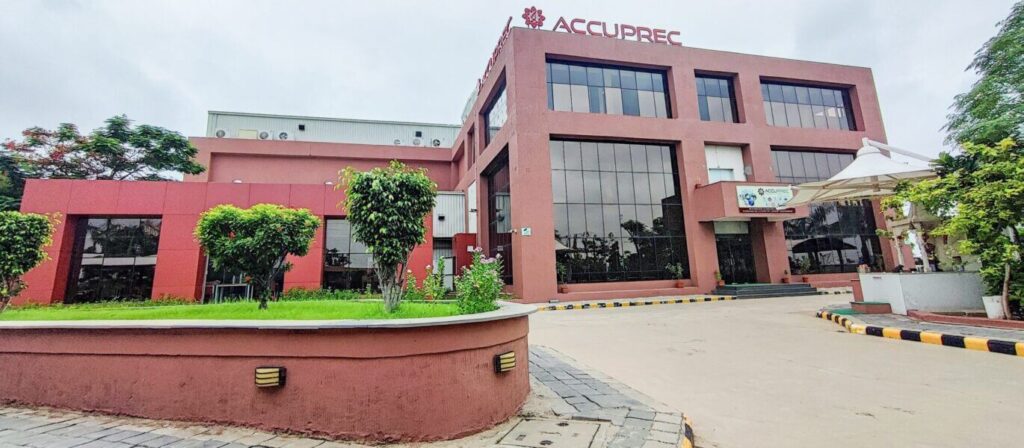
Accuprec Research Labs provides comprehensive stability and transportation testing services to help medical device manufacturers ensure long-term product safety, global compliance and consistent performance.
1. Why Stability and Transportation Testing Are Essential
Medical devices may be exposed to several conditions throughout their lifecycle, including:
- Humidity changes
- Temperature fluctuations
- Vibrations
- Mechanical shocks
- Long-term storage
- Distribution and shipping pressures
If a device fails to withstand any of these conditions, it can:
- Lose sterility
- Become physically damaged
- Deform or malfunction
- Lose accuracy or sensitivity
- Fail during patient use
- Get rejected by regulators
Stability and transportation testing provide the scientific evidence that a device can endure these challenges safely.
2. Regulatory Requirements for Stability & Transport Simulation
Most global regulatory frameworks require stability and distribution testing:
EU MDR 2017/745
Manufacturers must prove that devices remain safe and functional throughout their intended lifetime.
USFDA 21 CFR
Manufacturers must validate shelf life, storage conditions and shipping robustness.
ISO and ASTM Standards
Standards such as:
- ASTM D4169
- ISTA 1 Series
- ISTA 2 Series
- ISTA 3 Series
- ISO 11607 (for packaging stability)
provide guidance on environmental and transport simulation.
Accuprec ensures full compliance with these standards to support global submissions.
3. What Stability Testing Includes
Stability testing evaluates how a medical device performs over time when stored under defined conditions.
Accuprec offers two major types of stability studies:
A. Real-Time Stability Studies
Real-time studies evaluate device performance over long periods under recommended storage conditions. These studies assess:
- Physical stability
- Chemical stability
- Functional performance
- Sterility maintenance
- Package integrity
- Label durability
- Product consistency
Real-time stability is considered the most accurate evidence for shelf-life claims.
B. Accelerated Stability Studies
Accelerated studies simulate long-term aging within a shorter time using higher stress conditions. For example:
- Higher temperatures
- Higher humidity levels
Accelerated studies help manufacturers:
- Predict product shelf life faster
- Prepare for early regulatory submissions
- Identify any degradation concerns early
Both real-time and accelerated studies play an important role in determining device shelf life.
C. Environmental Simulation
Accuprec conducts stability tests in controlled chambers that simulate:
- Extreme heat
- Cold storage
- Humidity variations
- Light exposure
Environmental stress helps identify potential risks before the product goes to market.
4. What Transportation Testing Includes
Transportation testing ensures that medical devices do not get damaged during distribution, shipping or handling. Accuprec performs transportation tests based on recognized industry standards such as ISTA and ASTM.
A. Vibration Testing
Simulates vibrations experienced during:
- Road transport
- Rail transport
- Air shipments
This helps evaluate if the device remains stable inside its packaging under constant movement.
B. Drop and Impact Testing
Simulates accidental drops during:
- Shipping
- Loading and unloading
- Warehouse handling
Devices must be able to withstand these impacts without damage.
C. Compression Testing
Evaluates how packaging performs under stacking pressure during storage or shipping. This is important for products stored in bulk or shipped in large quantities.
D. Shock Testing
Simulates sudden jolts or impacts that may occur during transportation. Accuprec assesses whether the device or packaging can absorb the shock safely.
E. Climatic Conditioning
Packaging and devices are exposed to:
- Heat
- Cold
- Humidity
This ensures materials do not degrade or deform during climate variations.
5. How Accuprec Performs Stability and Transport Testing
Accuprec uses advanced environmental chambers and transportation simulation systems to conduct precise studies. Accuprec’s testing approach includes:
- Study design as per global regulations
- Controlled environmental chambers
- Defined test intervals
- Performance testing at each time point
- Packaging integrity verification
- Sterility evaluation
- Documentation and result analysis
Accuprec provides complete data to support global regulatory submissions.
6. Benefits of Stability & Transportation Testing with Accuprec
Choosing Accuprec for stability and transport simulation provides several advantages:
A. Accurate Shelf-Life Validation
Accuprec helps determine real-world shelf life through scientifically controlled studies.
B. Reduced Product Failures
By identifying risks early, manufacturers can improve materials, packaging and processes.
C. Global Regulatory Compliance
Accuprec conducts tests aligned with:
- ASTM
- ISTA
- ISO
- EU MDR
- USFDA expectations
D. Lower Cost of Recalls and Complaints
Stability failures often result in:
- Corrections
- Retesting
- Recalls
- Customer dissatisfaction
E. Reliable Distribution Safety
Transportation simulation ensures that devices reach customers in perfect condition.
F. One-Stop Solution
Accuprec provides:
- Stability studies
- Transport tests
- Packaging integrity
- Microbiology
- Mechanical testing
G. Expert Regulatory Support
Accuprec’s team guides manufacturers with:
- Shelf-life justification
- Study selection
- Packaging validation
- Data interpretation
- Regulatory documentation
This support reduces the chances of rejections.
7. Common Reasons Devices Fail Stability and Transport Testing
Manufacturers often face failures due to:
- Inadequate packaging design
- Improper selection of materials
- Incorrect sealing or sterilization
- Lack of environmental resistance
- Poor vibration control
- Moisture absorption
- Weak carton strength
Accuprec identifies these risks early and recommends improvements.
Conclusion
Stability and transportation testing are essential components of medical device quality assurance. They ensure that devices remain safe, functional and effective throughout their storage and distribution cycles. With global regulations becoming stricter, manufacturers must provide strong evidence of shelf life, environmental safety and resilience during transportation.
Accuprec Research Labs offers a complete range of real-time stability studies, accelerated studies and transport simulation tests aligned with international standards. With advanced facilities, expert teams and global accreditations, Accuprec helps manufacturers confidently bring safe, compliant and durable medical devices to market.
Need Stability or Transportation Testing?
Speak to our experts for customized study designs and regulatory-compliant reports.